

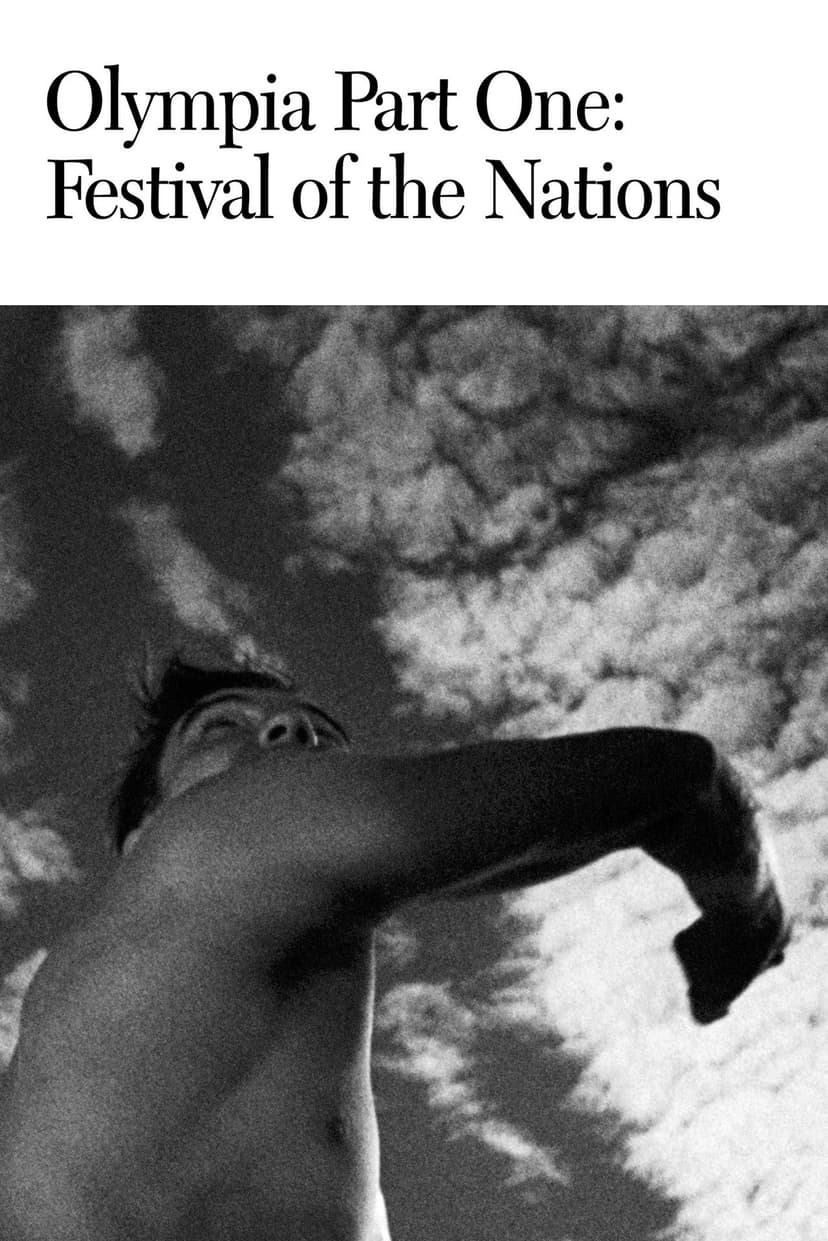
Olympia: Part One – Festival of the Nations
Rating
Release Date
4/21/1938Runtime
127 minsGenres
Overview
Commissioned to make a propaganda film about the 1936 Olympic Games in Germany, director Leni Riefenstahl created a celebration of the human form. This first half of her two-part film opens with a renowned introduction that compares modern Olympians to classical Greek heroes, then goes on to provide thrilling in-the-moment coverage of some of the games' most celebrated moments, including African-American athlete Jesse Owens winning a then-unprecedented four gold medals.
Status
ReleasedOriginal Language
GermanBudget
$550,000Revenue
-Homepage
-
How It Feels
Read from this film's synopsis, keywords and credits, and used to work out what it sits beside.
A formally dazzling celebration of athletic achievement and the human body in motion, shot with pioneering cinematic techniques that make every moment feel mythic. The film's aesthetic power coexists uncomfortably with its context as Nazi propaganda.
Mood
Themes
Tone
Pacing
Look
Structure
Heads up
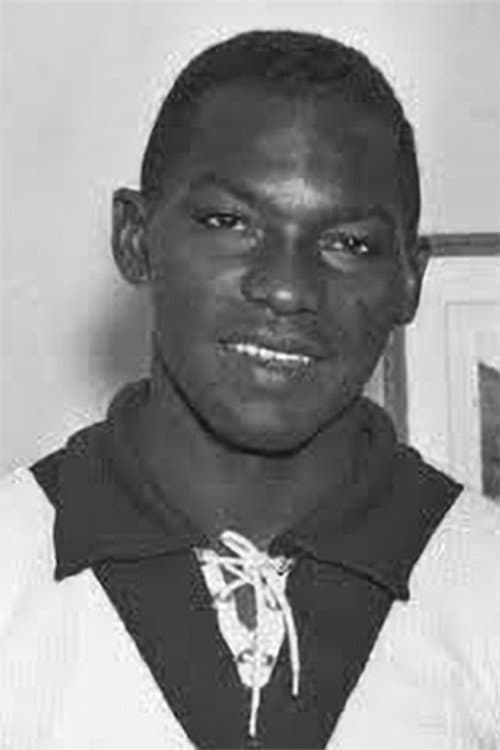
David Albritton
Self - High Jump, USA (uncredited)
Arvo Askola
Self - 10000 Metres, Finland (uncredited)
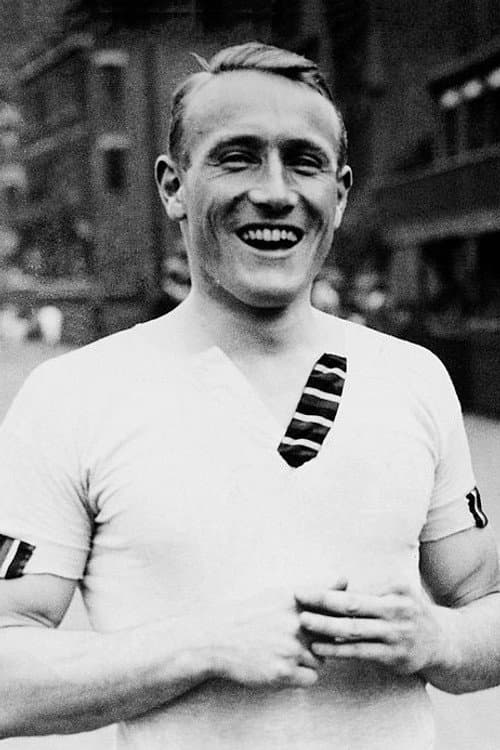
Jack Beresford
Self - Carries British Flag (uncredited)
Erwin Blask
Self - Hammer Throw, Germany (uncredited)
Sulo Bärlund
Self - Shot Put, Finland (uncredited)
Ibolya Csák
Self - High Jump, Hungary (uncredited)
Glenn Cunningham
Self (uncredited)
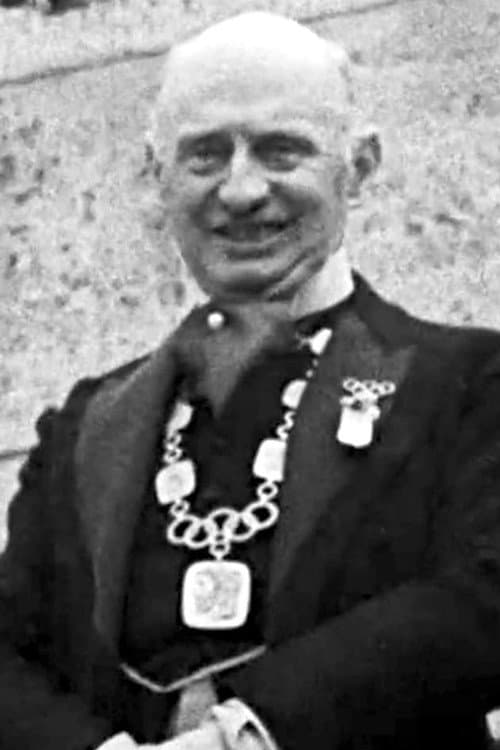
Henri de Baillet-Latour
Self - IOC, Stands with Hitler, with Hurdlers (uncredited)
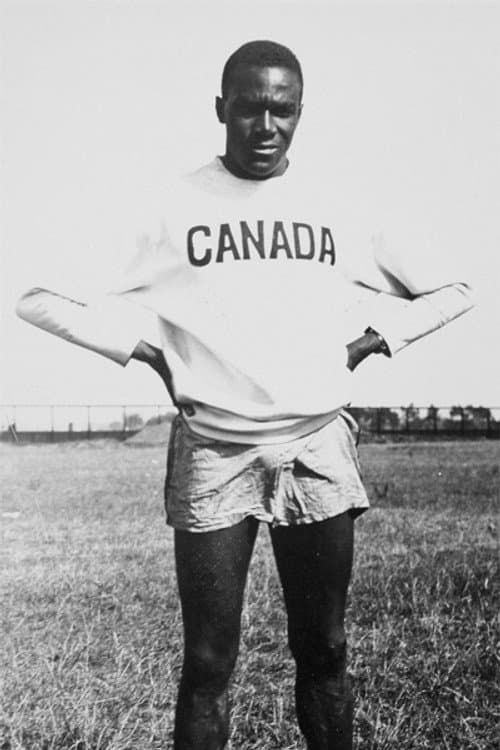
Philip Edwards
Self - 800 Metres, Canada (uncredited)

Donald Finlay
Self - 110m Hurdles, Great Britain (uncredited)
Tilly Fleischer
Self - Javelin Throw, Germany (uncredited)
Wilhelm Frick
Self - Spectator (uncredited)
Reviews
No reviews yet
Be the first to review Olympia: Part One – Festival of the Nations.
Olympia Collection


Recommendations
Ranked by what each one shares with this film, with the reason on every card.
Same director · Same series

Same director

Same director

Feels similar

Feels similar

Feels similar

Feels similar

Feels similar

Feels similar

Feels similar

Feels similar

Feels similar

Feels similar

Feels similar

Feels similar

Feels similar

Feels similar

Feels similar

Same genre

A similar mood